EEG101’s scientific programme is organised into four Working Groups, each addressing a distinct challenge in the field. The Working Groups are coordinated by the Management Committee and supported by education, dissemination, and community activities. Working Group 4 is the newest addition, joining EEG101 from October 2026.
Reporting Standards
Standardised reporting for rigorous EEG research
This work package develops standardized reporting guidelines and templates to improve transparency, consistency, and reproducibility in EEG research across diverse experimental designs. It works closely with journals and the research community to pilot, refine, and promote widespread adoption of these standards.
Activities
- Create standardised templates for reporting EEG studies, covering advanced experimental designs and methodologies beyond ERPs
- Support complex EEG designs and advanced analyses through community feedback and iterative improvement
- Develop instructional materials and user guides for researchers at all career stages
- Pilot implementation of reporting standards with an international journal partner
- Build an interactive web application for documenting complex ERP designs and statistical procedures
Expected Outputs
- Comprehensive reporting templates that streamline the publication process
- Improved transparency and reproducibility across the EEG community
- Increased publication of EEG research adhering to standardised reporting practices
- Pre-registration templates and recommended preprocessing pipelines
Curation and Harmonisation
FAIR EEG data accessible to all
This work package curates FAIR-compliant EEG datasets and develops standardized analysis pipelines and harmonisation tools to make data comparable across laboratories, devices, and populations. Its goal is to reduce methodological variability and enable large-scale, collaborative, and reproducible EEG analyses.
Activities
- Develop recommended pipelines for commonly studied EEG phenomena
- Implement pipelines in open-source software platforms (MNE-Python, EEGLAB, FieldTrip, Brainlife.io)
- Provide interactive tools and documentation to assist adoption of standardised workflows
- Develop protocols and conversion tools to harmonise data from different devices and manufacturers
- Establish guidelines for data acquisition settings to minimise variability
- Curate and release an open-access EEG database adhering to FAIR principles
- Conduct collaborative projects to test and refine harmonisation methods
Expected Outputs
- Harmonised data processing methods across laboratories
- Reduced variability in analysis results due to methodological differences
- A centralised online platform hosting a meta-directory of datasets, standardised pipelines, and a software database
- A publicly accessible FAIR-compliant EEG database supporting reuse and collaboration
- Standardised datasets enabling cross-laboratory and cross-device comparisons
EEG Community Framework
formerly EEG Manifesto for EEG Science
This work package creates and promotes a Community Framework that defines ethical, open, and sustainable principles for EEG research. It aims for cultural change by engaging researchers, institutions, journals, and funders to endorse and implement best practices in open and responsible EEG science.
Activities
- Identify key issues through community consultation across the EEG research landscape
- Collaborate with diverse stakeholders to ensure broad representation in the manifesto
- Launch an online platform for public pledges to the manifesto principles
- Develop community-driven governance structures for the framework
- Engage academic journals and publishers in adopting manifesto principles
Expected Outputs
- A foundational Manifesto document guiding ethical and responsible EEG research practices
- An online pledge platform with widespread community adoption
- Widespread recognition and endorsement of manifesto principles by journals and societies
- The first-ever ethical framework for EEG research incorporating open science principles
Mobile EEG Harmonisation
Our newest Working Group — reliable EEG beyond the lab
This work package extends EEG101 into mobile brain/body imaging (MoBI), where EEG is recorded in naturalistic, moving settings. Inconsistent experimental setups and processing pipelines make such findings hard to reproduce, so the group works with the EEGManySteps initiative to establish how acquisition and analysis choices shape results. Rather than replicating specific findings, the emphasis is on collecting and harmonising data across diverse settings, drawing on both existing public datasets and newly collected recordings, and on making the resulting data and software openly available. Working Group 4 joined EEG101 in October 2026, and is the Action's newest Working Group.
Activities
- Identify existing public mobile EEG datasets and work with their authors to bring them into the project
- Design a shared protocol and manual for new data collection, and support participating laboratories in setting up their experiments
- Curate existing and newly collected datasets, converting them to BIDS for EEG and motion, developing metadata standards for gait-related information
- Develop and oversee common analysis pipelines applied consistently across all datasets
- Disseminate through joint publications, tutorials, and workshops, and coordinate with related multi-laboratory initiatives including EEGManyLabs, EEGManyPipelines, ARTEM-IS, and ICMoBI
Expected Outputs
- Common acquisition and reporting protocols for mobile brain/body imaging research
- BIDS-compliant, openly documented mobile EEG and motion datasets
- Evidence on how acquisition setups and preprocessing choices affect the reliability of mobile EEG findings
- Improved cross-laboratory comparability for EEG research conducted outside controlled settings
- Shared training resources and tutorials for researchers new to mobile EEG methods
Activities and community programmes
In addition to the four Working Groups, EEG101 delivers a range of community activities coordinated by the Management Committee.
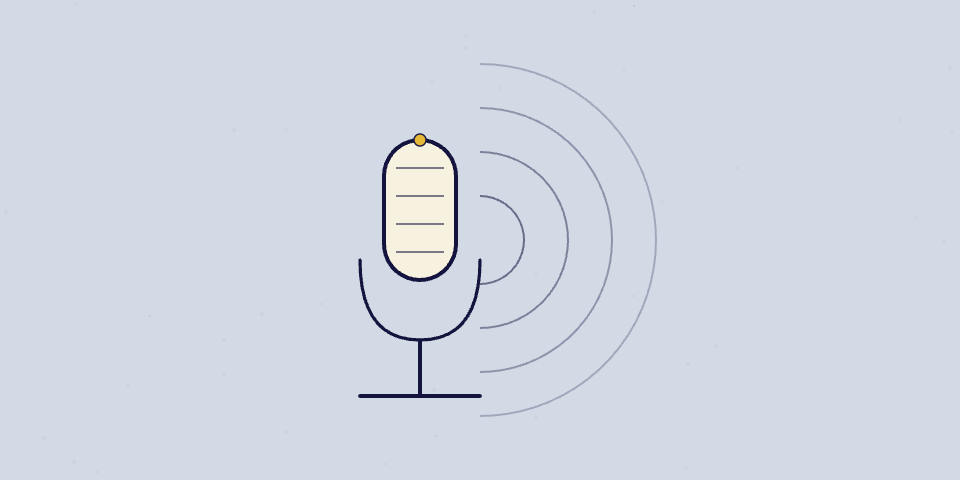
Podcast Series
Conversations at the frontier of EEG science
The EEG101 podcast features conversations with researchers, innovators, and practitioners from across the EEG community. Episodes cover cutting-edge methodology, open science, career development, and the human stories behind the science. The series will be launched in Year 2 of the Action.
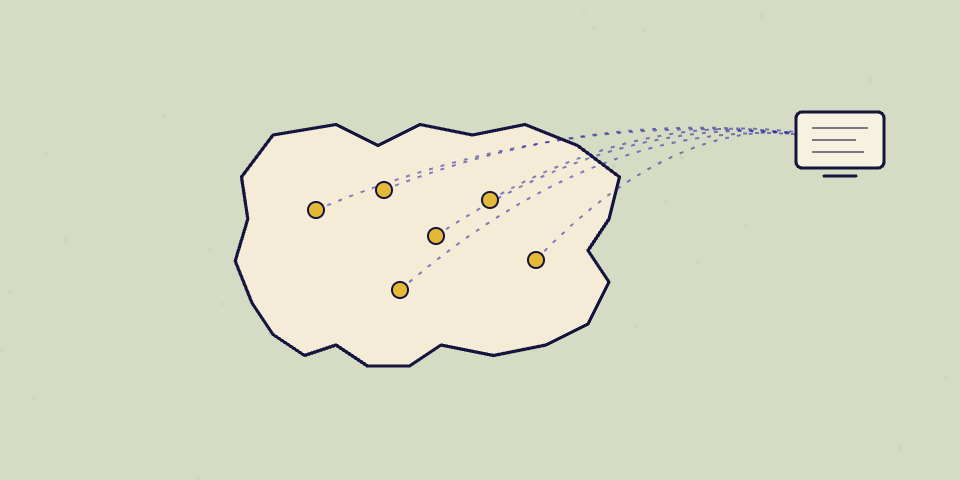
Distributed Conference
A novel international conference model
EEG101 adopts and extends the innovative CuttingGardens distributed conference model — simultaneous satellite events across Europe, connected through live streaming and shared programming. This model maximises accessibility and geographic inclusivity, ensuring participation regardless of location or travel constraints.
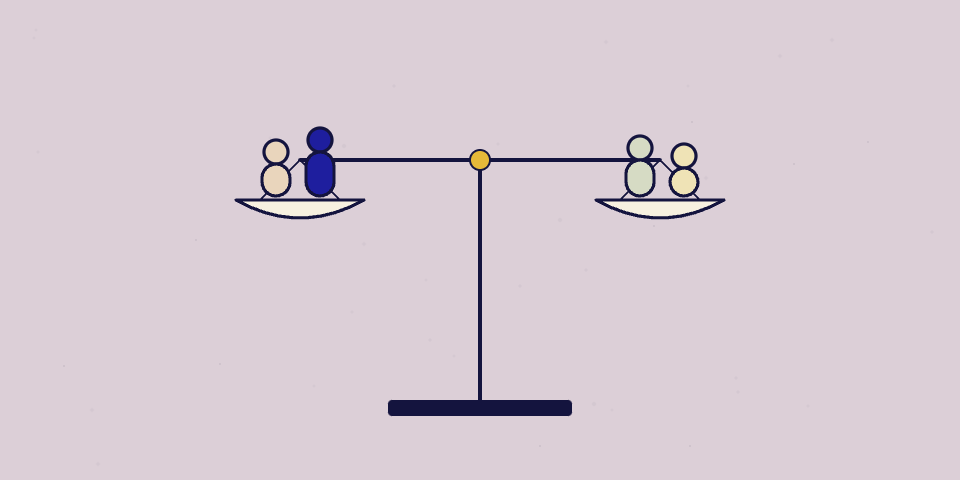
Inclusivity Monitoring Committee
Ensuring equity across the network
A dedicated Inclusivity Monitoring Committee tracks engagement and develops strategies for supporting underrepresented groups. The committee monitors gender balance, ITC representation, and early career participation across all EEG101 activities, reporting transparently to the Management Committee.
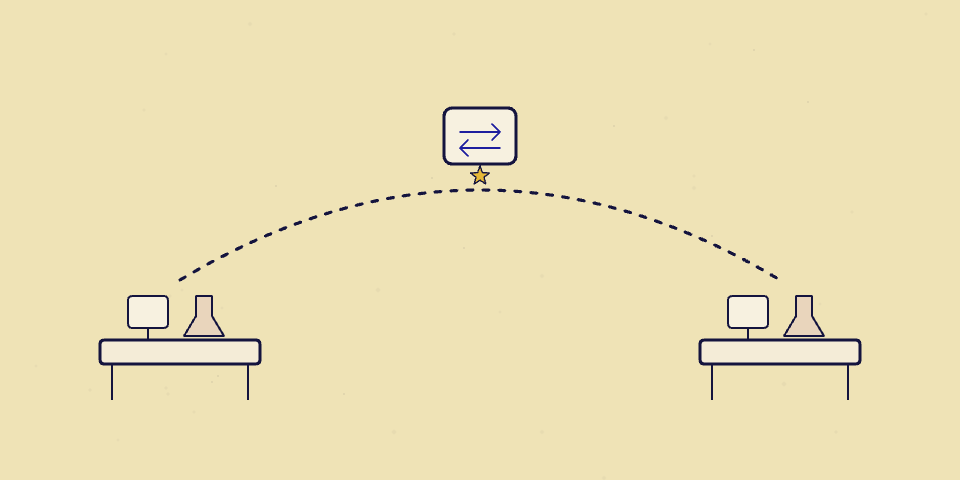
STSMs & VMGs / Community Challenges
Funded research visits and virtual collaborations
Short-Term Scientific Missions and Virtual Mobility Grants fund researchers to visit laboratories and conduct collaborative projects. Priority projects are identified through community-driven 'Challenges' proposed by Working Groups and neuroscience societies — ensuring STSM and VMG activity addresses the most pressing issues in the field.